Who doesn’t like animals? They’re just so cute and fluffy that they make your hearts explode. Whether they’re our domestic furies or the wild beasties, we all share the same love for them. But sadly, their pelts have a price for fashion and it costs them their life. Many animal activists have protested against the use of fur in the fashion industry and it paid off, but to what price? Faux fur is the all the rage these days but it contributed to the carbon emission even more. Luckily, there’re ways to acquire this luxury textile without feeling guilty about it.

Grandma’s closet: My mother always tells me about the family Christmas parties she had in the 80’s where all of the aunties and the grandmothers had fur coats. After the feast, she would go lie down on the bed covered with the perfumed drenched fur coats of mink and coyote and literally pass out. When the fur coats went out of style, my grandmother stored hers in her closet until she gave it to me when I was 12 years old. The coat spent a couple more years in my closet until I rediscovered it last winter. One day it was bout -25c outside and I had to walk two to three blocks from the indoor parking to my campus, so I decided to wear the fur coat and boy was I impressed: in this harsh cold weather, I was sweating bullets in that coat. I’ve been wearing it ever since and if someone accused me of being insensible to animals I tell them “I got this coat from my grandma” and they’re somehow reassured. With all honesty, I’m against fur farming for fashion, but I’m not against giving a fur garment or accessory a second life. When you think about it, you essentially give the animal who sacrificed its life for the coat its dignity back. Many perks come with those types of coats: they’re extremely hot and they last up to 100 years if properly crafted and worn. Still to this day, they’re worth 4000$ to 15 000$ the coat, but you can find them at the thrift shop for 80$ maximum. So Macklemore wasn’t lying when it only takes 20$ to walk out of that shop looking like a pimp.
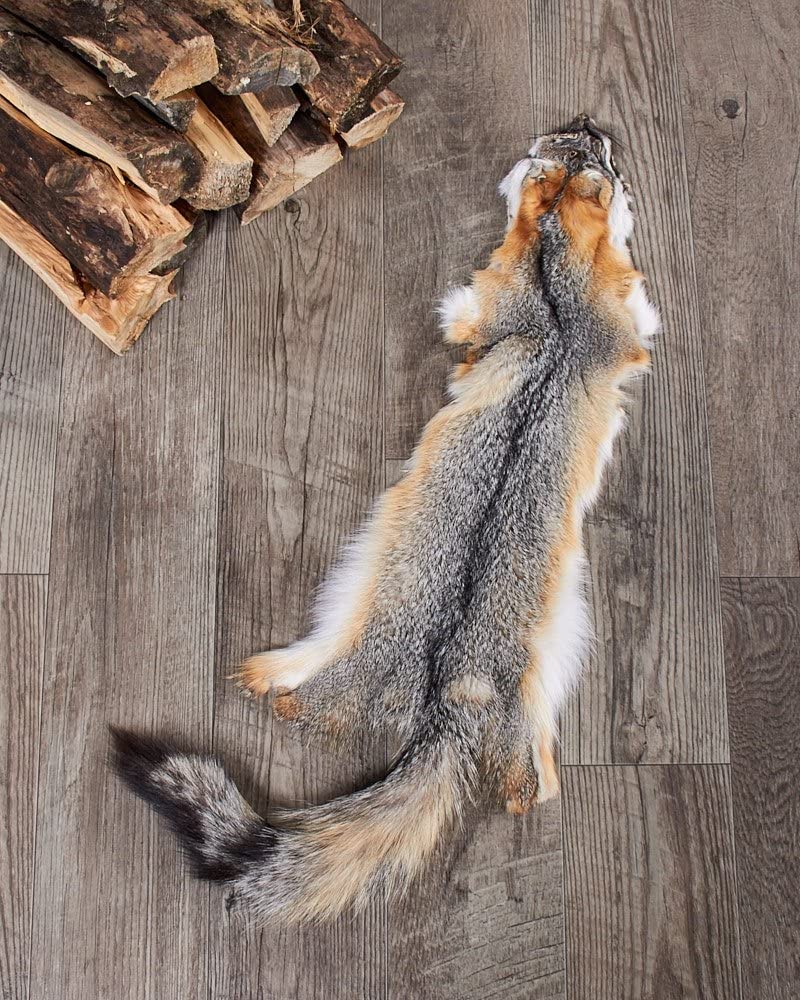
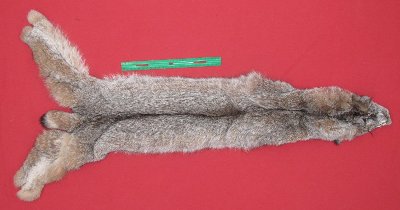
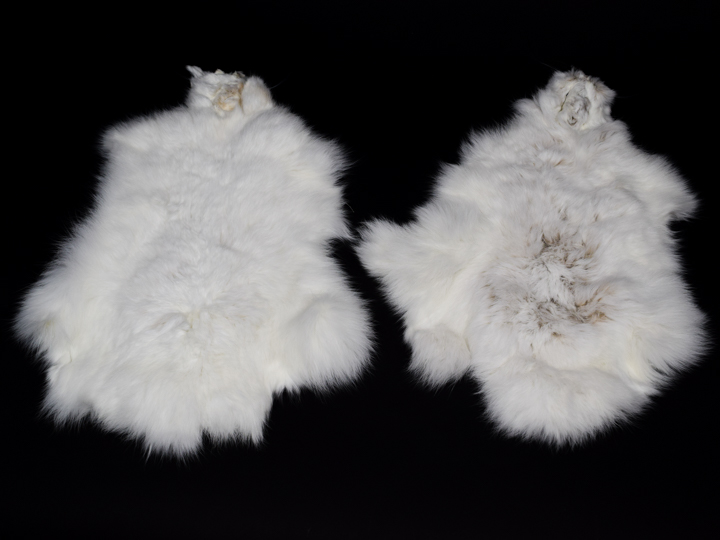
Ethical hunters: I started hunting when I was 16 and I shot my fist grouse in the moose hunting season with my mother. For any of you are about to google what a grouse is… it’s essentially a very dumb forest chicken. But when I acquired more knowledge and experiences in hunting, I evolved to trapping the snowshoe bunnies. People assume that hunters are cruel, they don’t respect the animal’s rights and they do this just for sports. Some of it is partially true, but we are not cruel and the last thing we want to do is kill an entire species. We are heavily regulated by the government and we essentially control the population of each and every species out there, keeping a balance in the ecosystem. But each animal that my family shoots is used for multiple purposed, mostly for the meat and the fur. That’s what an ethical hunter is. For each rabbit that I kill, I collect the fur and the meat. As for my mother, she traps the lynx and the foxes who shits all around our property and eat our bunnies in their traps. Surprisingly, the lynx meat is edible and it has a very gamey taste that I personally enjoy but the foxes aren’t edible at all but we use their carcasses to bait the black bears or to feed our friends hunting dogs. As ethical hunters we make sure to not waste the carcasses and the furs. With all the pelts I’ve collected so far, I’m able to make decorative cushions, mittens and little pompoms for the hats. When it comes to birds, it’s the same story: we keep the best looking feathers we can. For example, on a male duck, we keep the tail the neck feather and the back feathers depending on how damaged they are by the bird shot.
Roadkill: This one might be a little more disgusting than my previous suggestion but roadkill is a great way to collect pelts ethically. I heard about a designer from Southbridge, Massachusetts who built her brand around roadkill and she caters to those animal activists who believe that her work gives a second life to the unfortunate animal. Apparently, there’s approximately a million animals killed by cars each day and this can become some sort of income for small fashion businesses who want to experiment with fur. For the same reasons that my stepdad picks up roadkill deer on the side of the highway 15, we use it for its tasty meat and for its skin where it makes a nice little rug. Even though it’s a more gruesome solution to our problem, it cannot be ruled out as an option.
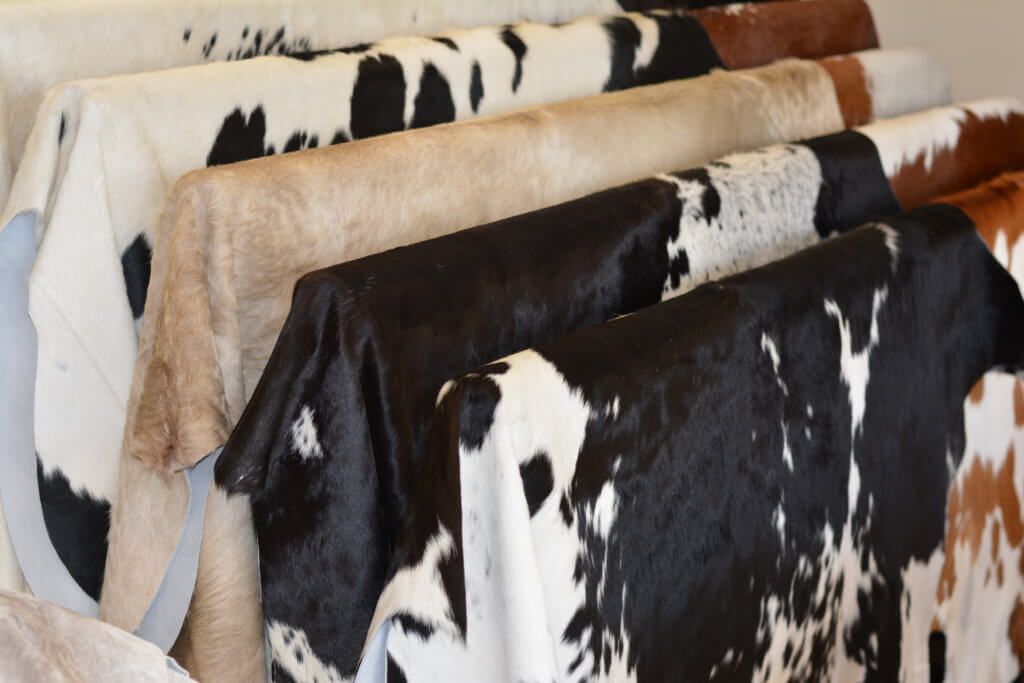
Slaughterhouses: a couple of months ago, I completely redesigned my room at my house and I was aiming for a classy black and white scheme since my bedsheet were the same. Since by room is in the basement, I wanted a rug that would cover the majority of the cold floor because my feet always get cold. I was looking through IKEA and found nothing that was either black or white or even aesthetically pleasing, then I had a genius idea. I thought of getting a cow hide, but I wanted to make sure that I comes from a slaughterhouse only because I know that those cows are euthanized for meat production. I found a website called ICowhide.com where every single of their specimen come from the slaughterhouses and I instantly purchased one: a beautiful black and white Brazilian hide that accents my room. But for the slaughterhouses, they don’t have to sell those hides only for rugs, but they can be used to make accessories such as high end hand bags.
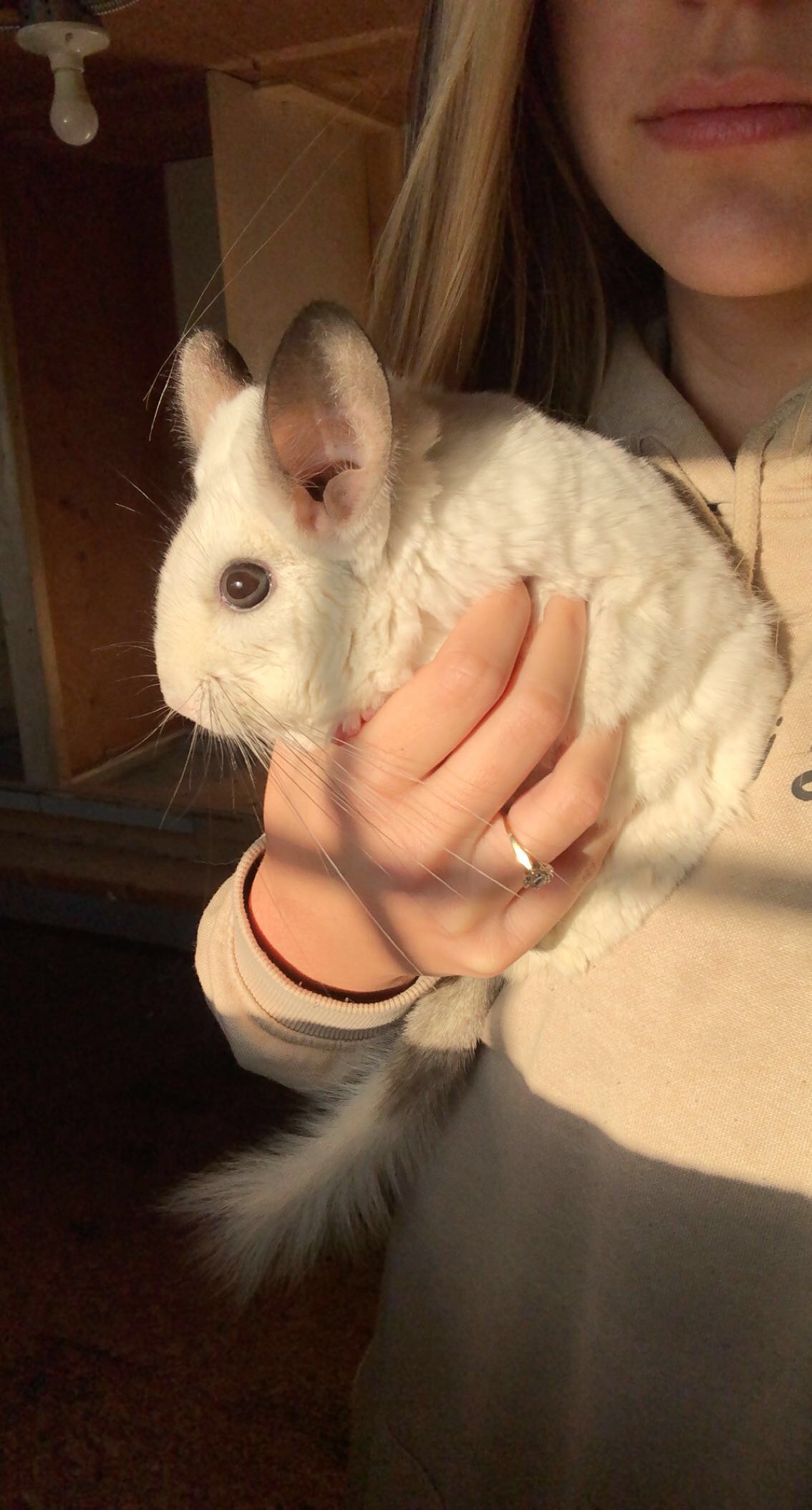
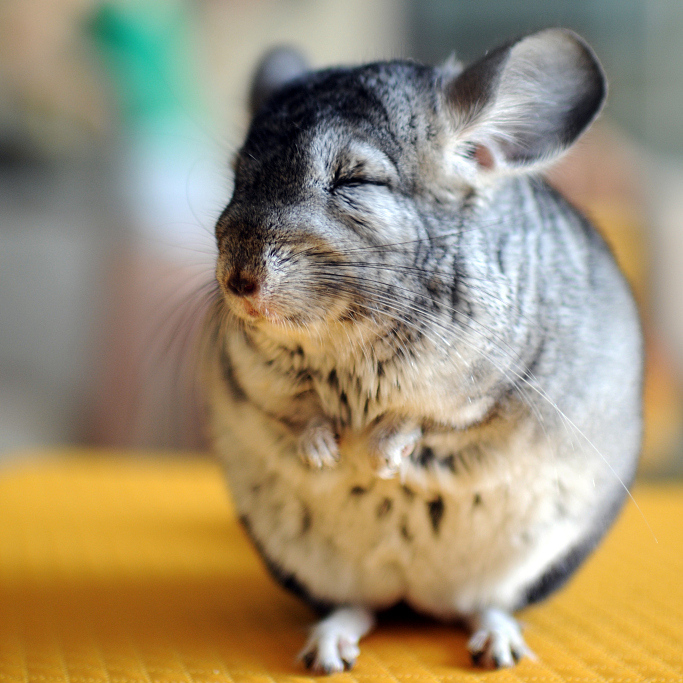
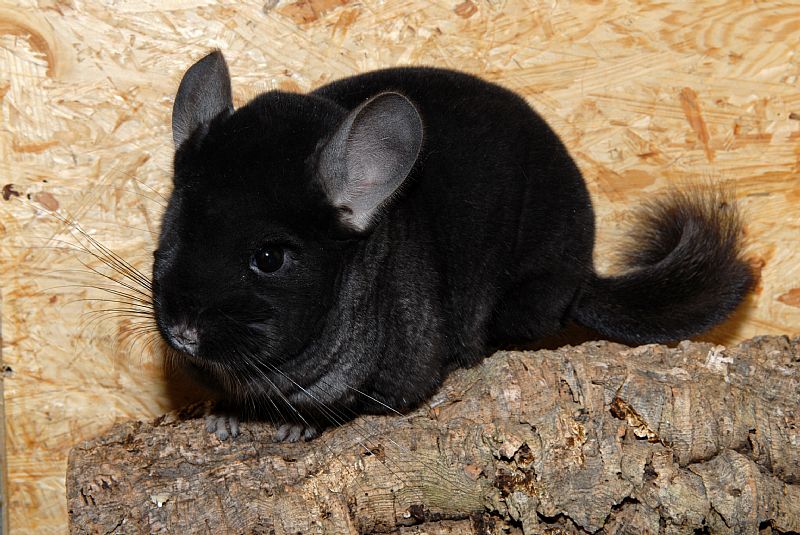
Knowing that animals are still farmed only for their fur is extremely depressing. My favorite animal in the whole entire world is the chinchilla. They’re small rodents that appear to be part rat, part squirrel, and part mouse and part rabbit. In the 19th century, they were hunted down for their fur and the oil their pelts produced for hair products. Because they were so trendy, the chinchillas went extinct in the wild and they only remain in captivity because they mass produced in farms. Eventually, they became ideal pets for people who like low maintenance animals. In my case, I own a small chinchilla farm called Ninchilla where I breed some of the rarest species for pets only. I’ve had many clients come in to look for chinchillas and to make some form of accessories with it and I gladly showed them the door. Honestly, how can you kill such an adorable animal for its fur?
So the moral of the story: buy and give a fur coat a second life, trade pelts with hunter just like in the good old days, skin a roadkill or get them from a slaughterhouse. All of these options above are the most ethical ways to own a luxury fur item but please keep away from the chinchilla fur!
(1124 words)
Written by Jasmine Besner
April 10th 2021
 The Language of Fashion